

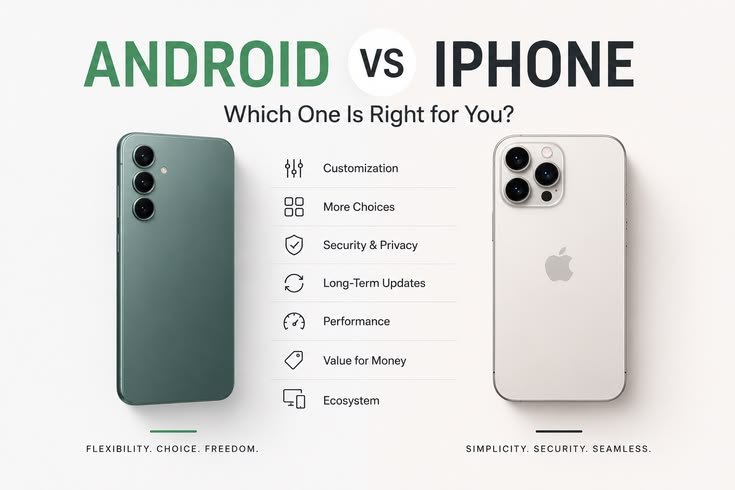
Choosing between an Android smartphone and an iPhone is one of the biggest decisions when purchasing a new mobile device. Both platforms have evolved significantly, offering powerful hardware, advanced software, excellent cameras, and a wide range of features. The right choice depends on your budget, preferences, and how you plan to use your smartphone.
Some users value flexibility and customization, while others prefer simplicity and long-term software support. Android and iPhone each have unique strengths that appeal to different types of users. Understanding these differences can help you make an informed decision and avoid buying a phone that doesn’t meet your expectations.
This guide compares Android and iPhone across every major category, including design, performance, camera quality, battery life, gaming, security, software updates, ecosystem, pricing, and overall value.
Understanding Android and iPhone
What Is Android?
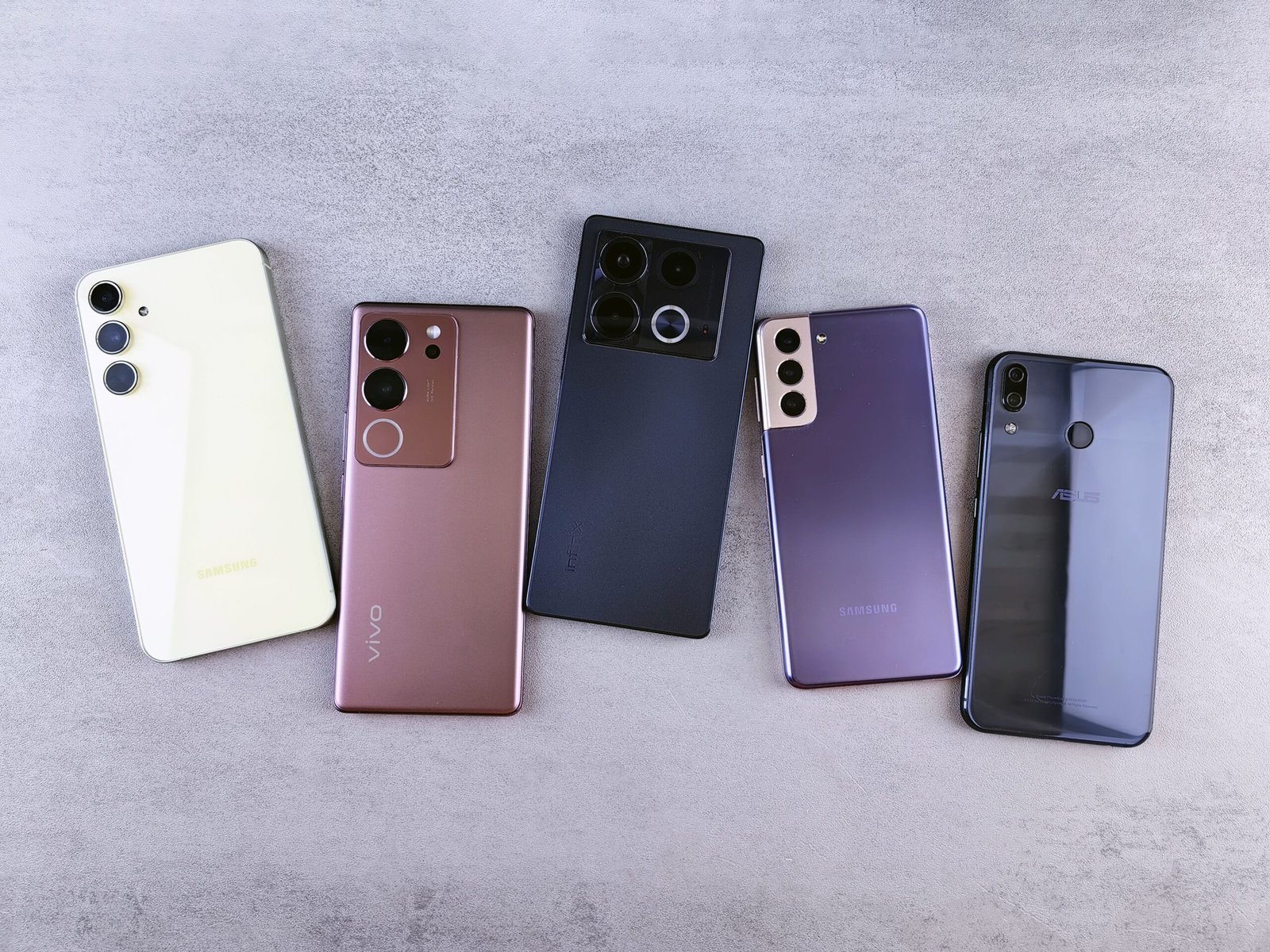
Android is Google’s mobile operating system used by many smartphone manufacturers, including Samsung, Google, OnePlus, Xiaomi, Motorola, Oppo, Vivo, and others.
Because multiple brands use Android, buyers have a wide variety of choices in design, features, pricing, and hardware.
Advantages
- Large selection of devices
- Wide price range
- High customization
- Expandable storage on many models
- Faster charging on many phones
- Foldable phone options
What Is iPhone?
iPhone is Apple’s smartphone line powered by the iOS operating system. Apple designs both the hardware and software, creating a tightly integrated experience.
Unlike Android, only Apple manufactures iPhones, resulting in a more consistent user experience across all devices.
Advantages
- Smooth software
- Excellent optimization
- Long software support
- Strong ecosystem
- High resale value
- Consistent security updates
Design Comparison
Android
Android phones come in many designs.
Options include:
- Compact phones
- Large-screen phones
- Foldable phones
- Gaming phones
- Premium metal designs
- Budget plastic models
Users have more freedom to choose a design that matches their preferences.
iPhone
Apple follows a consistent design language.
Benefits include:
- Premium materials
- Durable construction
- Water resistance
- Excellent build quality
- Consistent button placement
Apple introduces design changes gradually rather than making major changes every year.
Display Quality
Android
Many Android phones feature:
- AMOLED displays
- OLED panels
- 120Hz refresh rates
- High brightness
- Curved displays
- Large screen options
Even mid-range Android devices often include high-refresh-rate displays.
iPhone
Apple offers:
- Super Retina OLED displays
- Excellent color accuracy
- High brightness
- Smooth animations
- Strong outdoor visibility
Premium iPhone models also support high refresh rates for a more fluid experience.
Performance Comparison
Android
Performance depends on the manufacturer and processor.
Popular chipsets include:
- Snapdragon 8 Series
- MediaTek Dimensity Series
- Google Tensor
- Samsung Exynos
High-end Android phones provide excellent gaming and multitasking performance.
iPhone
Apple designs its own processors, which consistently rank among the fastest smartphone chips.
Advantages include:
- Fast app launching
- Smooth multitasking
- Excellent gaming
- Efficient power management
- Strong video editing performance
Apple’s hardware and software optimization contributes to a consistently responsive experience.
Camera Comparison
Android
Android manufacturers focus on variety.
Features may include:
- 50MP or higher sensors
- Periscope zoom
- AI image processing
- Ultra-wide cameras
- Macro cameras
- Manual camera controls
Different brands prioritize different photography styles.
iPhone
Apple emphasizes consistency.
Advantages include:
- Natural colors
- Reliable HDR
- Excellent video quality
- Fast autofocus
- Consistent results
- Strong low-light performance
Content creators often choose iPhone for video recording due to its dependable stabilization and color accuracy.
Battery Life
Android
Many Android phones include:
- 5,000mAh batteries
- 6,000mAh batteries
- Fast charging
- Wireless charging
- Reverse charging
Some devices can charge from 0% to 100% in under an hour.
iPhone
Apple focuses on battery optimization rather than battery size.
Benefits include:
- Efficient power management
- Consistent battery performance
- Reliable standby time
- Optimized software usage
Although charging speeds are generally slower than some Android competitors, battery efficiency remains strong.
Software Experience
Android
Android offers extensive customization.
Users can:
- Change launchers
- Install widgets
- Customize icons
- Use split-screen mode
- Adjust system appearance
- Choose default apps
Android appeals to users who enjoy personalizing their devices.
iPhone
iOS prioritizes simplicity.
Advantages include:
- Easy navigation
- Consistent interface
- Smooth animations
- Stable performance
- Minimal setup
Apple’s approach makes the system easy for beginners to learn.
Software Updates
Android
Update policies vary by manufacturer.
Some premium brands now offer several years of Android and security updates, while budget devices may receive fewer updates.
iPhone
Apple is known for providing long-term software support.
Many iPhones receive major iOS updates for several years, extending the usable life of the device.
Security and Privacy
Android
Android includes:
- Google Play Protect
- Biometric authentication
- App permissions
- Security patches
- Device encryption
Security depends partly on the manufacturer and update schedule.
iPhone
Apple emphasizes privacy.
Features include:
- Face ID
- Secure Enclave
- App Tracking Transparency
- Strong encryption
- Regular security updates
Privacy-focused users often appreciate Apple’s built-in protections.
App Availability
Both platforms support millions of apps.
Popular categories include:
- Social media
- Banking
- Shopping
- Navigation
- Streaming
- Productivity
- Education
- Health
- Gaming
Some applications may arrive on iPhone first, while others are optimized for Android.
Gaming Performance
Android
Gaming phones often include:
- High refresh rate displays
- Gaming modes
- Cooling systems
- Shoulder triggers
- Large batteries
Android offers a wide range of gaming devices at different prices.
iPhone
Apple’s processors deliver excellent gaming performance.
Advantages include:
- Stable frame rates
- Strong graphics performance
- Excellent optimization
- Long-term performance consistency
Many demanding games run smoothly on modern iPhones.
AI Features
Android
Many Android phones include AI tools such as:
- Live translation
- AI photo editing
- Voice assistants
- Smart text recognition
- Productivity features
iPhone
Apple integrates AI features into iOS, including:
- Voice assistance
- Smart photo organization
- Predictive typing
- Intelligent search
- Accessibility enhancements
File Management
Android
Android offers greater flexibility.
Users can:
- Browse folders
- Connect USB drives
- Transfer files easily
- Install APK files
- Expand storage on some devices
iPhone
File management is more structured.
Benefits include:
- Organized storage
- Cloud integration
- Reliable syncing
- Easy backup
Ecosystem Comparison
Android Ecosystem
Works well with:
- Windows PCs
- Chromebooks
- Android tablets
- Smart TVs
- Wear OS watches
- Google services
Apple Ecosystem
Works seamlessly with:
- Mac
- iPad
- Apple Watch
- AirPods
- Apple TV
Features like AirDrop, Handoff, and iCloud make switching between Apple devices convenient.
Price Comparison
Android offers devices from under $100 to premium flagship models.
iPhone models generally cost more, although older models remain available at lower prices.
If budget is a priority, Android provides more choices across different price ranges.
Pros and Cons
| Feature | Android | iPhone |
|---|---|---|
| Price Options | Excellent | Limited |
| Customization | Excellent | Limited |
| Software Simplicity | Good | Excellent |
| Long Software Support | Good | Excellent |
| Camera Consistency | Very Good | Excellent |
| Gaming | Excellent | Excellent |
| Battery Capacity | Excellent | Very Good |
| Fast Charging | Excellent | Good |
| Ecosystem | Good | Excellent |
| Resale Value | Good | Excellent |
Who Should Buy Android?
Choose Android if you want:
- More phone choices
- Lower prices
- Better customization
- Expandable storage
- Fast charging
- Foldable phones
- Gaming phones
- Greater hardware variety
Who Should Buy iPhone?
Choose iPhone if you want:
- Long software support
- Simple user experience
- Excellent security
- Reliable cameras
- High resale value
- Strong ecosystem integration
- Consistent performance
Common Buying Mistakes
Avoid these mistakes:
- Buying based only on brand popularity
- Ignoring software support
- Choosing features you will never use
- Not comparing prices
- Ignoring storage requirements
- Overlooking repair costs
- Forgetting warranty coverage
Frequently Asked Questions
Is Android better than iPhone?
Neither is universally better. Android offers more flexibility and variety, while iPhone provides a polished experience with long-term software support.
Which platform is better for gaming?
Both perform well. High-end Android phones and modern iPhones deliver excellent gaming experiences.
Which has better cameras?
Both produce high-quality photos. iPhone is known for consistent results and video recording, while Android offers more hardware variety and zoom options.
Which lasts longer?
Modern Android and iPhone devices can last several years with proper care. Apple’s extended software support often helps iPhones remain current for longer.
Which is more secure?
Both platforms include strong security features, though Apple places a strong emphasis on privacy and regular security updates.
Which is better for students?
Students on a budget may prefer Android because of the wider range of affordable devices. Those already using Apple products may benefit from an iPhone’s ecosystem integration.
Can I switch from Android to iPhone?
Yes. Apple provides tools to transfer contacts, photos, messages, and other data from Android devices.
Which offers better value?
For budget-conscious buyers, Android generally provides better value due to its wide range of price points and features.
Final Thoughts
Both Android and iPhone are excellent smartphone platforms, and the best choice depends on your priorities. If you value customization, hardware variety, fast charging, and a wider range of prices, Android is likely the better option. If you prefer a simple interface, long software support, strong privacy features, and seamless integration with other Apple devices, an iPhone is an excellent choice.
Before making a purchase, consider your budget, daily usage, preferred features, and whether you already own devices within either ecosystem. Choosing the smartphone that fits your needs will provide a better experience than selecting one based solely on brand recognition.

Leave a Reply