

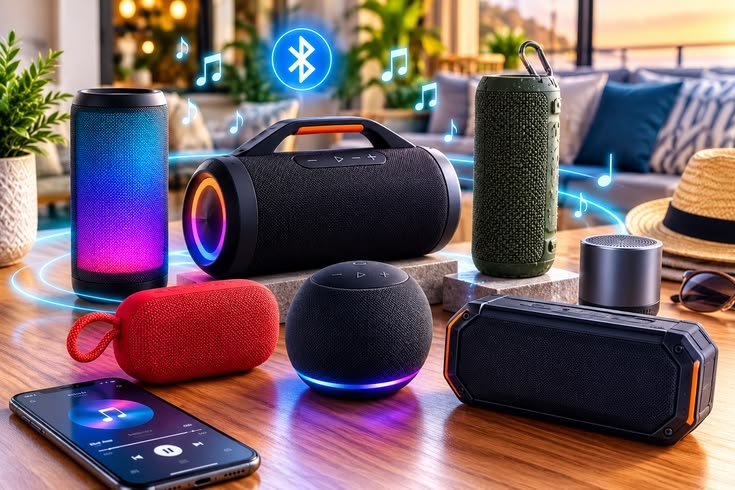
Smart speakers have become one of the most popular smart home devices because they combine voice control, music streaming, smart home management, and digital assistance into a single device. Whether you want to play music, control smart lights, ask questions, create reminders, or automate your home, a smart speaker can make everyday tasks more convenient.
Today’s smart speakers are much more than wireless speakers. They can control compatible smart home devices, provide weather updates, answer questions, manage calendars, make hands-free calls, and even help with cooking by reading recipes step by step.
With many brands and models available, choosing the right smart speaker can be difficult. Each device offers different strengths in sound quality, voice recognition, smart home compatibility, and privacy features. This guide compares the major features to help you select the best smart speaker for your needs.
What Is a Smart Speaker?
A smart speaker is a wireless speaker with a built-in voice assistant that responds to spoken commands. It connects to your home’s Wi-Fi network and communicates with cloud-based services to perform various tasks.
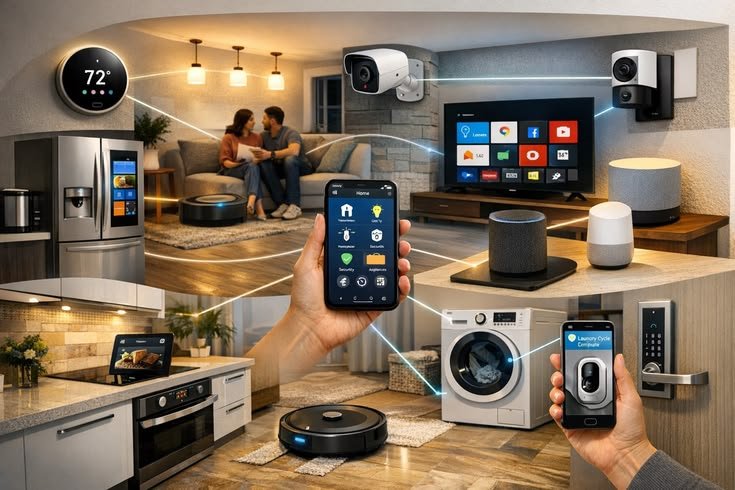
Unlike traditional Bluetooth speakers, smart speakers continue to provide voice assistance even when music is not playing. They can also connect with other smart devices such as lights, security cameras, thermostats, smart plugs, televisions, and door locks.
Benefits of Smart Speakers
Smart speakers provide convenience throughout the home.
Major benefits include:
- Hands-free voice control
- Music streaming
- Smart home automation
- Weather forecasts
- News updates
- Calendar management
- Shopping lists
- Timers and alarms
- Voice calling
- Multi-room audio
These features make smart speakers useful for families, professionals, students, and seniors.
Voice Assistant Options
Most smart speakers are built around one of three major voice assistants.
Each offers a slightly different experience and ecosystem.
Google Assistant
Google Assistant is known for its natural language understanding and accurate search results.
Strengths include:
- Fast web searches
- Excellent voice recognition
- Smart home control
- Calendar integration
- Navigation assistance
- Translation features
It works especially well for users who already rely on Google services.
Amazon Alexa
Alexa is widely used in smart homes because it supports thousands of compatible devices.
Advantages include:
- Large smart home ecosystem
- Voice routines
- Shopping assistance
- Music streaming
- Device automation
- Broad third-party support
Many beginners choose Alexa because of its compatibility with numerous smart home products.
Apple Siri
Siri is designed primarily for users within Apple’s ecosystem.
Benefits include:
- Privacy-focused design
- Seamless integration with Apple devices
- Home automation
- Voice messaging
- Music playback
- Secure communication
Users who already own Apple devices often appreciate Siri’s integration.
Sound Quality
One of the biggest differences between smart speakers is audio performance.
Entry-level speakers provide clear sound for casual listening, while premium models deliver richer bass, clearer vocals, and improved stereo separation.
When comparing speakers, consider:
- Bass performance
- Vocal clarity
- Maximum volume
- Stereo support
- Room-filling sound
- Audio balance
Music enthusiasts may benefit from larger speakers with multiple drivers.
Smart Home Compatibility
A smart speaker should work with your existing devices.
Many speakers support:
- Smart lights
- Smart plugs
- Security cameras
- Door locks
- Thermostats
- Smart TVs
- Robot vacuums
- Video doorbells
Choosing compatible devices simplifies automation and voice control.
Multi-Room Audio
Many smart speakers can play synchronized music throughout multiple rooms.
Benefits include:
- Whole-home audio
- Independent room control
- Group playback
- Voice-controlled music
Multi-room functionality is useful for larger homes.
Music Streaming Services
Modern smart speakers support many popular music services.
Common options include:
- Spotify
- Apple Music
- YouTube Music
- Amazon Music
- Deezer
- Pandora
Check compatibility with your preferred streaming platform before purchasing.
Voice Recognition
Advanced smart speakers recognize different voices within the same household.
This allows personalized:
- Calendars
- Music recommendations
- Reminders
- Shopping lists
- Daily schedules
Voice recognition improves convenience for families.
Privacy Features
Privacy is an important consideration when choosing a smart speaker.
Useful features include:
- Microphone mute button
- Voice recording controls
- Activity history
- Two-factor authentication
- Encrypted communication
Many manufacturers allow users to review and delete stored voice recordings.
Design and Size
Smart speakers are available in many shapes and sizes.
Compact models fit easily on desks or bedside tables.
Larger speakers provide stronger sound but require more space.
Choose a design that complements your room while meeting your audio needs.
Connectivity
Modern smart speakers commonly support:
- Wi-Fi
- Bluetooth
- Voice control
- Mobile applications
- Multi-device pairing
Some premium models also include wired audio connections for additional flexibility.
Display vs Speaker
Some smart home devices include displays in addition to speakers.
A smart display can provide:
- Video calls
- Recipe instructions
- Security camera feeds
- Calendar viewing
- Weather forecasts
- Smart home dashboards
If visual information is important, a smart display may be a better option than a speaker alone.
Smart Home Automation
Automation allows multiple devices to perform actions automatically.
Examples include:
- Turning on lights when you arrive home
- Locking doors at bedtime
- Playing morning news
- Adjusting room temperature
- Starting a coffee maker
- Activating security cameras
Automation saves time and simplifies daily routines.
Energy Consumption
Smart speakers consume relatively little electricity.
Because they remain connected continuously, choosing energy-efficient models can reduce long-term operating costs.
Many devices automatically enter low-power standby modes when not actively in use.
Accessibility
Voice-controlled speakers improve accessibility for many users.
They can assist with:
- Voice dialing
- Medication reminders
- Timers
- Hands-free communication
- Voice-controlled lighting
- Emergency contact access
These features are particularly useful for seniors and individuals with limited mobility.
Common Buying Mistakes
Many buyers choose a speaker based only on price without considering compatibility or sound quality.
Common mistakes include:
- Ignoring smart home compatibility
- Buying more power than needed
- Choosing poor Wi-Fi placement
- Overlooking privacy settings
- Ignoring software support
- Forgetting music service compatibility
Comparing features before buying helps avoid unnecessary upgrades later.
Features Worth Paying For
Look for these features when buying a smart speaker:
- Excellent voice recognition
- Strong sound quality
- Smart home compatibility
- Multi-room support
- Reliable mobile app
- Privacy controls
- Automatic software updates
- Bluetooth and Wi-Fi connectivity
These features improve both usability and long-term value.
Frequently Asked Questions
What is the main purpose of a smart speaker?
A smart speaker allows users to control smart home devices, stream music, ask questions, set reminders, manage schedules, and perform many everyday tasks using voice commands.
Do smart speakers require Wi-Fi?
Yes. Most smart speaker features depend on a Wi-Fi connection, although some models also support Bluetooth for direct music playback.
Can smart speakers control smart home devices?
Yes. Many smart speakers can control compatible lights, thermostats, security cameras, plugs, locks, and other connected devices.
Are smart speakers always listening?
They continuously listen for a wake word, but most manufacturers provide privacy controls such as microphone mute buttons and voice recording management.
Can multiple people use one smart speaker?
Yes. Many smart speakers support voice recognition for multiple household members, allowing personalized responses and reminders.
Is a smart display better than a smart speaker?
A smart display provides additional visual features such as video calls, camera feeds, and recipes. If you only need voice control and music playback, a smart speaker is usually sufficient.
Can I use multiple smart speakers together?
Yes. Many systems support synchronized multi-room audio, allowing music to play throughout the home.
Which smart speaker is best for beginners?
A beginner-friendly smart speaker should offer easy setup, reliable voice recognition, good sound quality, and broad compatibility with smart home devices.
Final Thoughts
Smart speakers have transformed the way people interact with technology by combining voice control, entertainment, and home automation into a single device. Whether you want better music playback, hands-free assistance, or centralized control of your smart home, choosing the right smart speaker depends on your preferred ecosystem, audio expectations, and compatibility with other devices.
For beginners, selecting a speaker with reliable voice recognition, strong smart home support, regular software updates, and good sound quality provides the best long-term experience. As your smart home grows, a well-chosen smart speaker can become the central hub that simplifies everyday routines, improves convenience, and enhances the connected home experience.

Leave a Reply